
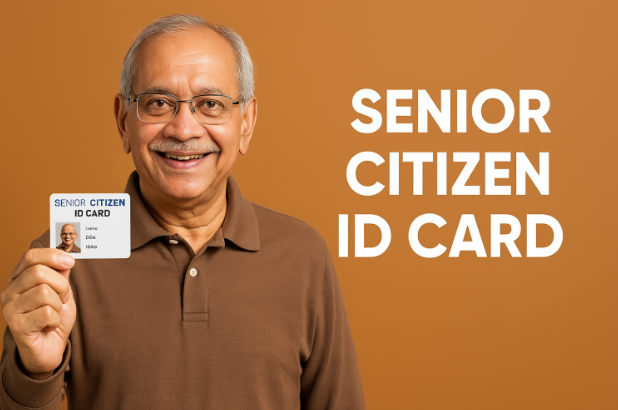
As life expectancy increases and medical advancements improve, the need to cater to the aging population has become more significant. One of the innovative measures introduced by the Indian government to address the needs of senior citizens is the Senior Citizen Card. It provides numerous perks and privileges, ranging from healthcare discounts to free medical checkups. Additionally, senior citizens can unlock financial benefits by integrating their healthcare advantages with investment tools like SCSS accounts, offering a holistic support system aimed at enhancing their quality of life.
This article delves into the healthcare-related benefits of Senior Citizen Cards, explores financial calculations related to healthcare expenditure, and highlights how individuals can leverage its advantages for optimized well-being.
What is a Senior Citizen Card?
The Senior Citizen Card signifies proof of eligibility for a range of benefits designed for Indian citizens above the age of 60. Issued by both central and state governments, this card provides numerous welfare initiatives aimed at improving access to healthcare, public services, and financial independence. The Senior Citizen Card is part of a broader plan to ensure dignity, comfort, and security for the elderly.
The availability of free checkups and discounts on medical services is among its most notable perks, directly benefiting a demographic that generally has higher healthcare needs and expenditures. Armed with a Senior Citizen Card, individuals can access government-driven advantages alongside schemes like the Senior Citizen Savings Scheme (SCSS) for steady income generation.
Healthcare Discounts with the Senior Citizen Card
The healthcare benefits associated with the Senior Citizen Card encompass both subsidized services and outright discounts, enabling older adults to avert financial crises stemming from medical emergencies or routine checkups.
Concessions on Medical Expenses:
- Discounts on Medicines: Various pharmacies provide discounts ranging from 10%–20% on prescription drugs to Senior Citizen Cardholders. For instance, if a senior citizen spends ₹5,000 monthly on medicines, a 15% discount would save them ₹750 per month, which adds up to ₹9,000 annually.
- Hospital Bills: Many Indian hospitals, both public and private, offer discounted OPD consultations ranging from 25%–30% for cardholders. For instance, if an average outpatient consultation costs ₹600, a 30% discount effectively reduces the cost to ₹420, resulting in a total savings of ₹180 per visit.
Subsidized Diagnostic Tests
Pathology labs, hospitals, and diagnostic chains offer reduced rates for various diagnostic tests. Comprehensive full-body checkups often cost ₹3,000–₹4,000 in regular conditions. With a Senior Citizen Card, discounts of up to 25% can reduce the cost to ₹2,250–₹3,000 per checkup.
Such discounts can have long-term implications if one considers periodic diagnostic tests biannually, collectively saving ₹1,500–₹2,000 for two visits annually.
Free Health Checkup Facilities
Many public healthcare institutions and some private entities (with government tie-ups) provide free annual health checkups to senior citizens. These checkups typically include general physical assessments, blood pressure measurements, blood sugar tests, and consultations with general practitioners or specialists.
How the Senior Citizen Card and the SCSS Account Work Together
The Senior Citizen Savings Scheme (SCSS) is among the most lucrative and dependable investment tools introduced by the Indian government for senior citizens. Issued through banks and post offices, the SCSS offers an interest rate of 8.2% (as of October 2023) per annum and permits investments up to ₹30 lakh for joint accounts and ₹15 lakh for single holders.
Let’s illustrate how the returns from an SCSS account can complement healthcare savings:
SCSS and Monthly Returns
- Investment Amount: ₹15 lakh.
- Interest Rate: 8.2% per annum.
- Annual Interest: ₹15,00,000 × 8.2% = ₹1,23,000.
This return translates into a monthly payout of ₹10,250.
By using the benefits of healthcare discounts under the Senior Citizen Card, a senior citizen can allocate a portion of these monthly earnings for medical expenses. For seniors saving ₹1,500 monthly on healthcare (via discounted medicines and tests), the SCSS payout more than adequately offsets all medical expenses, leaving ₹8,750 for other discretionary needs or retirement savings.
Additional Key Benefits for Senior Citizens
Insurance Premium Discounts
Several private health insurance companies provide discounted premiums to older adults holding a Senior Citizen Card. Insurers also offer dedicated senior citizen health policies, combining affordability with comprehensive healthcare coverage.
Priority at Healthcare Centers
Senior Citizen Cards allow elderly patients to access priority healthcare services at clinics, labs, and government hospitals. This avoids long queues and ensures timely medical intervention.
Access to Elderly Homes and Subsidized Care
Some Senior Citizen Cards may be linked to admission into elderly care homes. These care homes offer subsidized rates for boarding, food, and medical supervision.
Case Study: Calculating Annual Healthcare Savings
To understand the possible extent of savings, consider the following scenario:
- Annual Medical Bills Before Senior Citizen Card Discounts:
- Medicines: ₹60,000.
- Diagnosis: ₹8,000.
- OPD Visits: ₹7,200 (₹600/visit × 12 visits).
Total = ₹75,200.
- Discounts via Senior Citizen Card:
- Medicine Discount (15%): ₹9,000.
- Diagnostic Discount (25%): ₹2,000.
- OPD Discount (30%): ₹2,160.
Total Savings = ₹13,160.
Thus, the net amount spent on medical bills becomes ₹62,040 per year, implying around 17.5% savings using the Senior Citizen Card.
Eligibility and Application Process
The eligibility criteria for the Senior Citizen Card vary by state but generally apply to individuals 60 years and older. The application process involves submitting KYC documents like Aadhaar Card, age proof, photographs, and address proof at designated government offices or websites. The document approval typically takes two to four weeks.
Points to Consider
While Senior Citizen Cards provide valuable aids in healthcare and public benefits, individuals should remember that:
- These discounts might vary across states and institutions.
- The cardholder must confirm specific benefits with the hospitals, government authorities, or insurance companies.
Disclaimer
This article is for informational purposes only. Readers and investors are strongly advised to carefully assess the advantages and disadvantages of specific financial investments, including SCSS accounts, or benefits extended by the Indian Government. Always consult with financial experts before making conclusive decisions in the markets or choosing investment vehicles.
Summary:
The Senior Citizen Card transforms accessibility to essential services for individuals aged 60 and above in India. Healthcare discounts and free medical checkups are among its core offerings. Discounted medicine rates (up to 20%), reduced OPD consultation charges (up to 30%), and subsidized diagnostic test fees (up to 25%) ensure cost-effective healthcare for senior citizens. The integration of these benefits with tools like SCSS accounts further enhances financial independence by providing steady returns on investments.
For example, an SCSS investment of ₹15 lakh at 8.2% annual interest generates monthly payouts of ₹10,250, which can cover overall medical expenses, leaving surplus earnings for other utilities. Moreover, free health checkups provided by government and private bodies alleviate potential costs, ensuring comprehensive coverage for the elderly.
By strategically combining health benefits with financial savings, the Senior Citizen Card emerges as a critical resource for improving the lives of older adults. However, it is essential to analyze specific schemes and benefits as they vary regionally and institutionally, enabling fully informed choices for long-term security and well-being. Always assess the risks associated with financial investments like the SCSS scheme in the Indian context before investing.