
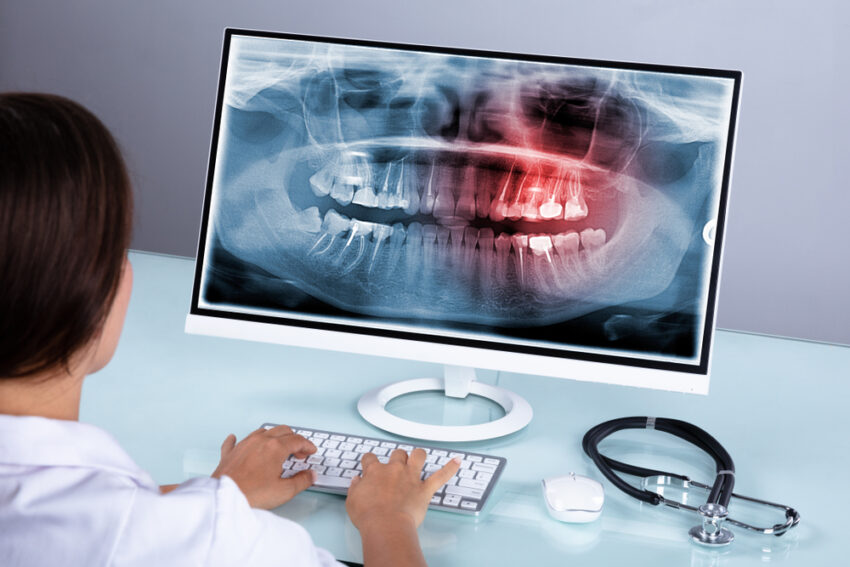
Your teeth and jaws tell a larger story than a small dental X-ray can show. A panoramic X-ray gives your Wichita Falls dentist one clear picture of your mouth. It shows your teeth, jaw joints, sinuses, and bone in a single scan. That wide view helps find hidden infection, bone loss, cysts, and tumors before you feel pain. It also helps plan wisdom tooth removal, implants, dentures, and braces with fewer surprises. You spend less time in the chair. You face fewer repeat images. You get a clearer plan. Panoramic X-rays also use a controlled dose of radiation. That supports your safety while still giving strong detail. This blog explains how this tool works, when you need it, and how it guides your care from the first exam through complex treatment.
How a Panoramic X Ray Works
A panoramic unit moves around your head in a slow circle. You stand or sit still. You bite on a small tab. You close your lips. You stay steady for a brief time. The machine sends X-rays through your jaw to a sensor on the other side. A computer then builds one flat picture of your full mouth.
You feel no contact with the scanner. You feel no pain. You only hear the soft motion of the arm as it moves. The scan takes seconds. The image appears on a screen right away. Your dentist can zoom in, change contrast, and point to key spots while you watch.
This simple setup helps children, older adults, and people with a strong gag reflex. It also helps people who use wheelchairs. You avoid a hard sensor in the back of your mouth. You avoid repeated attempts to get one small tooth on film.
What a Panoramic X-Ray Can Show
A panoramic X-ray gives a broad view of many parts at once.
- All teeth, including ones that have not come in yet
- Upper and lower jaws
- Jaw joints in front of each ear
- Sinus spaces above back teeth
- Nerve paths in the jawbone
- General bone height and shape
This wide image can reveal problems you do not feel.
- Impacted wisdom teeth
- Cysts or tumors in bone
- Hidden infection at tooth roots
- Bone loss from gum disease
- Jaw fractures or growth problems
- Teeth that sit off course in children
Early discovery gives you more choices. You can plan treatment on your own timeline. You can avoid sudden crisis visits.
Panoramic X Rays vs Small Dental X Rays
Both types of X-rays matter. Each one answers different questions. Your dentist usually uses them together over time.
| Feature | Panoramic X ray | Small dental X ray |
|---|---|---|
| View size | Whole mouth in one image | Few teeth or one area at a time |
| Best use | Wisdom teeth, jaw joints, bone shape, large problems | Cavities, fillings, root tips, close detail |
| Scan time | Single short scan | Several images for full mouth |
| Comfort | No sensor in mouth | Sensor or film inside mouth |
| Detail level | Broader, less fine detail | High detail of small structures |
| Planning use | Implants, braces, dentures, surgery | Routine cavities, root canal work |
You do not choose one or the other forever. You use the right image for the right question. That mix keeps your care clear and efficient.
Radiation Dose and Safety
Radiation from dental X-rays is low. A panoramic X-ray uses a small dose that stays within strict safety limits. The U.S. Food and Drug Administration explains that dental X-rays use much less radiation than many medical scans.
Your dentist follows the rule of keeping doses as low as reasonably needed. You wear a lead apron when needed. Your dentist orders images only when they affect your care. Your dentist also reviews past images before taking new ones.
For most people, the risk from dental X-rays is very small. The risk of missed disease in the jaws can be much higher. That includes spread of tooth infection, large cysts, and rare bone tumors. Careful use of panoramic X-rays helps balance this tradeoff in your favor.
When You Might Need a Panoramic X-Ray
Your dentist may suggest a panoramic X-ray in three common situations.
- First visit to a new office or after many years without X-rays
- Planning for braces, implants, dentures, or wisdom tooth removal
- Unclear jaw pain, swelling, or suspected jaw joint problems
Children and teens often need a panoramic X-ray as their adult teeth form. The image shows teeth that are slow to appear, teeth growing sideways, or extra teeth. That helps guide timing for braces or the removal of baby teeth.
Adults may need one to plan tooth removal or implant placement. The image shows where nerves run and how much bone is present. That reduces surprise during surgery. It also reduces the chance of nerve injury.
Older adults may need one before new dentures. The image shows bone shape, leftover root tips, and any sharp ridges. That helps dentures fit better and feel more stable.
How Often You Need Panoramic X Rays
No single schedule fits every person. The Centers for Disease Control and Prevention explains that dentists should base X-ray timing on your age, risk, and symptoms. Your dentist looks at three things.
- Your past dental history and treatment
- Your current risk of tooth decay and gum disease
- Your current signs or symptoms in teeth and jaws
Many healthy adults need a new panoramic X-ray only every few years. People with complex treatment or jaw problems may need them more often. Children who are still growing may also need them more often. Always ask why the image is needed and how it will change your care plan.
What To Expect During Your Visit
You can prepare with three simple steps.
- Wear simple clothing without large metal near the neck
- Tell your dentist if you are pregnant or could be pregnant
- Share any past jaw surgery or metal plates
At the office, staff will place a lead apron if needed. You remove glasses and earrings. You stand or sit in the unit. You bite on a clean tab. You keep your tongue against the roof of your mouth. You stay still for the few seconds of the scan.
The team will check the image quality. If it looks clear, your scan is done. Your dentist will then walk you through the picture. You can see your own jaw joints, sinuses, and teeth. That shared view often makes your choices about treatment feel more grounded and less confusing.
Using Panoramic X Rays To Protect Your Health
A panoramic X-ray is more than a high-tech picture. It is a quiet safety net. It lets your dentist see trouble before it erupts. It supports careful planning for braces, surgery, and tooth replacement. It shortens visits and cuts repeat images.
When you understand what the image shows and why it is taken, you can take part in each decision. That shared control builds trust. It also supports steady oral health across your life.