
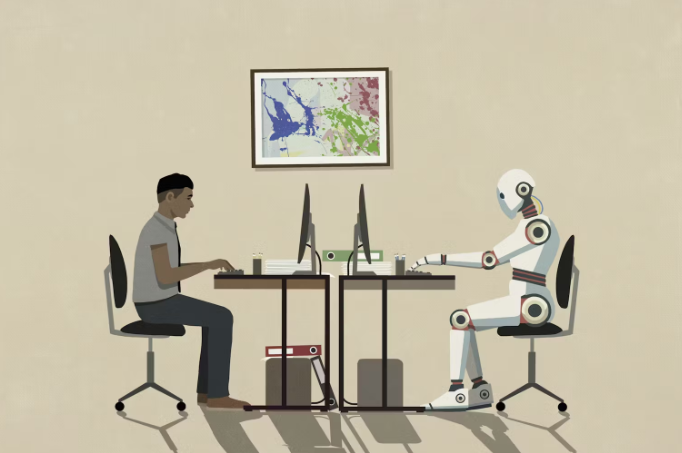
As the world has changed in recent years, offices and homes have blended into daily life. People meet on screens, share tasks across time zones, and are increasingly dependent on clear talk and trust. In this shift, soft skills training online has become crucial for maintaining effectiveness among personnel. It would no longer be solely about tools; rather, it would be about how people listen, speak, and show care when working together.
- Hybrid Work Requires People Skills: Hybrid work removes many of the everyday feedback loops in which they train their ears to decode tone and meaning. Without hallway conversations, small problems escalate quickly. There has to be clear speech, listening, and feedback to flourish in a team when working remotely. Online learning provides a safe space for people to practice these habits through real work situations they face each day.
- Remote Tools Change Daily Interaction: Whereas digital tools make work quick, yet they also restrict natural conversations. Messages tend to be short and without feeling, which may lead to the wrong meaning. This again makes clear expression and thoughtful responses more crucial than ever. Training helps people adapt their way of writing and responding to keep teamwork smooth.
- Learning Flexibility Fits Modern Schedules: Hybrid workers are likely to handle office work along with their home chores. Flexible learning helps them in this scenario without causing stress. People are interested in soft skill courses as the learning is short, simple, and easily retrievable.
- Managers Face New People Challenges: Primarily, being a manager of a hybrid team is going to mean doing a whole lot of things beyond task management. Managers need to learn to guide a conversation, solve a problem, and manage well-being from a distance. Management training sessions are useful in that regard, as it provides a manager with good practices and also ensures that the lines of communication remain open to help everyone be a team, despite not being in the same location.
- Creating a Culture Without Physical Space: Culture at work still has importance, even if members are distributed. Collective behavior, respect, and truth are key to all groups feeling as if they are linked. E-learning reinforces such concepts by instructing learners on actions from everyday life to improve teamwork.
- Confidence and Adaptability at Work: There is always a change in a hybrid environment, and uncertainty may impact performance. People-skills training will enable employees to remain calm and composed during role transitions. This is needed, especially in situations involving rapid plan change and the need for sharp thinking.
- Emotional Balance in Virtual Work Environments: Physical presence may provide opportunities to work through things on screens together. This may impact patience and the regulation of emotions. Some smaller issues or waiting times may appear as larger issues if people cannot be together in the same room. An awareness of emotion is critical to stress and remaining composed under differing opinions.
- Long-Term Value for Employees: Employees with people skills appear more secure with their work security, too. They can easily communicate their ideas and receive feedback with ease. This is quite effective with regard to their work life and is instrumental in personal growth for employees.
In conclusion, e-learning for soft skills has emerged to satisfy a current need in flexible methods of working. Traditional methods of learning and development in people skills now have a structure in e-learning and online instruction. In planning for teams in the future, soft skills modules will ensure workers are connected to one another and receptive to change. This approach helps individuals grow steadily while adapting to modern work demands without losing clarity, empathy, or teamwork in everyday professional interactions.