
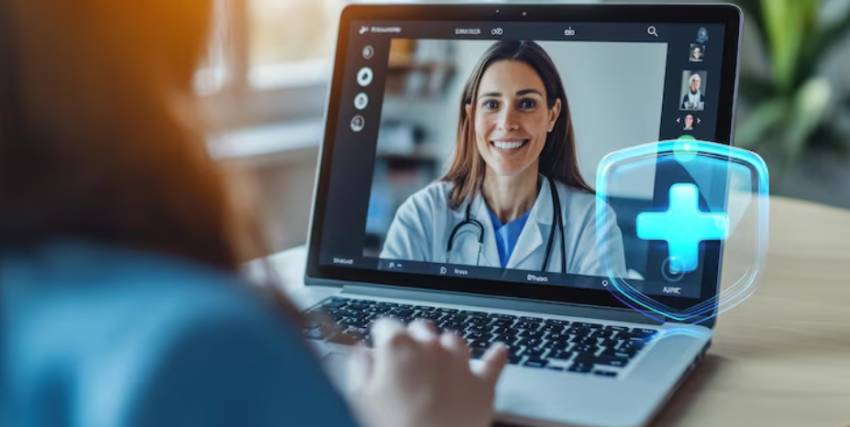
Healthcare services have changed significantly in recent years, making it easier for patients to receive medical attention without visiting a clinic or hospital. One of the most important developments is the use of video consultation, which allows patients and healthcare professionals to connect remotely through video calls. This modern approach to healthcare provides quick access to medical advice, diagnosis, and treatment recommendations, helping people receive support when they need it most.
Understanding Video Consultation in Healthcare
A video consultation is a virtual appointment between a patient and a healthcare provider conducted through a secure online platform. Instead of traveling to a medical facility, patients can discuss their symptoms, concerns, and treatment options from the comfort of their homes.
This method of communication has become increasingly popular because it saves time and offers convenient access to healthcare services. Patients can connect with doctors, specialists, therapists, and other healthcare professionals using a smartphone, tablet, or computer with an internet connection.
Providing Faster Access to Medical Care
One of the biggest advantages of video consultation is the speed at which patients can receive medical support. Traditional appointments may involve long waiting times, travel arrangements, and crowded waiting rooms. Virtual consultations remove many of these barriers.
Patients can often schedule appointments more quickly and speak with healthcare providers without leaving their homes. This is especially helpful for individuals who need immediate medical guidance for non-emergency conditions. Faster access to professional advice can reduce anxiety and help patients make informed decisions about their health.
Improving Healthcare Accessibility
Many people face challenges when trying to access healthcare services. Those living in rural or remote areas may have limited access to specialists and medical facilities. Elderly individuals and people with mobility issues may also find traveling difficult.
Video consultation helps bridge these gaps by bringing healthcare services directly to patients. Individuals can connect with medical professionals regardless of their location, making healthcare more accessible and inclusive. This convenience allows patients to receive timely support without unnecessary travel or physical strain.
Supporting Early Diagnosis and Treatment
Quick medical attention can play a significant role in identifying health issues before they become more serious. Through video consultation, healthcare providers can assess symptoms, review medical histories, and recommend appropriate next steps.
While some conditions require in-person examinations, many health concerns can be evaluated effectively through virtual appointments. Early diagnosis often leads to faster treatment, better health outcomes, and reduced complications. Patients can also receive guidance on whether further testing or a physical visit is necessary.
Enhancing Follow-Up Care and Monitoring
Healthcare does not end after an initial diagnosis or treatment plan. Many patients require ongoing monitoring and follow-up appointments to track their progress and manage chronic conditions.
Video consultation makes follow-up care more convenient and efficient. Patients can discuss medication effectiveness, report changes in symptoms, and receive updated treatment recommendations without the need for frequent travel. This regular communication helps healthcare providers monitor patient health more closely and make timely adjustments when needed.
Reducing Pressure on Healthcare Facilities
Hospitals and clinics often experience high patient volumes, especially during periods of increased healthcare demand. Video consultation helps reduce pressure on these facilities by allowing healthcare providers to manage certain cases remotely.
When patients with minor illnesses or routine concerns use virtual appointments, healthcare facilities can focus more resources on individuals who require in-person care. This improves overall efficiency and helps ensure that critical medical services remain available for those who need them most.
Increasing Patient Comfort and Satisfaction
Many patients feel more relaxed when speaking with healthcare providers from their own homes. Familiar surroundings can reduce stress and make it easier to discuss health concerns openly.
Video consultation also eliminates travel time and waiting room delays, creating a more convenient healthcare experience. As a result, many patients report higher satisfaction levels and greater willingness to seek medical support when needed.
Conclusion
The growing use of video consultation is transforming the way healthcare services are delivered. By providing fast access to medical professionals, improving accessibility, supporting early diagnosis, and enhancing follow-up care, virtual consultations offer valuable benefits for both patients and healthcare providers. As technology continues to advance, video consultation will likely play an even greater role in delivering efficient, convenient, and timely medical support to people around the world.